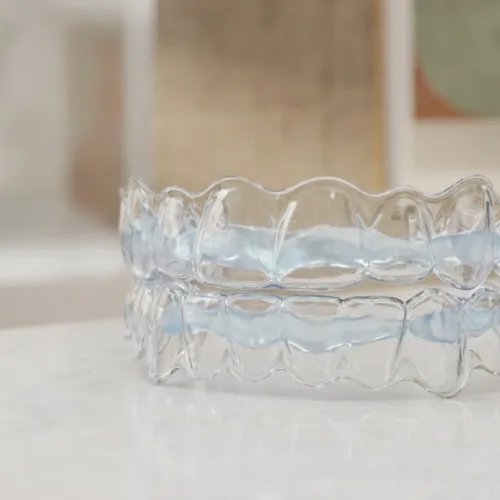
Invisalign Attachments, SmartTrack Material, and Why 22 Hours Is Non-Negotiable
Learn how Invisalign attachments, SmartTrack material, and the 22-hour wear rule create your best smile. Schedule your Invisalign consultation today!
Read More



Specialty Dentistry
For many patients, a dental appointment is one more item on a busy calendar. For patients with special needs, it can feel very different. A simple cleaning may come with unique challenges, emotions, and sensory responses that others never think about. Bright lights, new faces, unfamiliar sounds, and certain textures can feel overwhelming. Even the anticipation of a visit can be stressful.
At Complete Health Dentistry, we understand that every patient deserves a calm, comfortable, and safe dental experience. Sedation dentistry is one of the ways we make that possible. It allows patients with special needs to receive the care they deserve without fear, discomfort, or sensory overload. More importantly, it helps families feel supported, understood, and reassured that their loved ones are in patient, experienced hands.
Sedation options vary based on the patient’s needs, medical background, and the type of procedure being done. No single approach works for everyone, which is why personalization is at the heart of sedation dentistry.
The most commonly used types include:
Nitrous Oxide (Laughing Gas):
This is often the first option for patients who need mild relaxation. It works quickly, wears off fast, and allows patients to remain awake and responsive. It is safe for many individuals with sensory or cognitive differences, especially when they can tolerate a nasal mask.
Oral Sedation:
This involves giving the patient a prescribed pill or liquid medication before the appointment. It creates a deeper sense of calm without putting the patient to sleep. It works well for individuals who struggle with anxiety, touch sensitivity, or fear of the dental environment.
IV Sedation:
For patients who require more support, IV sedation provides a deeper level of relaxation while allowing the dentist to adjust the medication instantly. It is often recommended for individuals who need longer procedures or have more significant challenges with sensory overload or movement.
General Anesthesia:
This level of sedation is reserved for cases where the patient cannot tolerate treatment while awake or semi awake. It is often performed in a hospital setting. It ensures complete comfort and safety for individuals with severe behavioral challenges, certain medical conditions, or complex dental procedures.
Each type of sedation is chosen carefully, with the patient’s safety, comfort, and individual needs guiding the decision.
Choosing the right level of sedation is a thoughtful and detailed process. Dentists do not guess. They rely on a complete evaluation that includes:
A patient who becomes overwhelmed by bright lights may need a different approach from someone who cannot sit still for long periods. A patient with autism who reacts strongly to sound may benefit from deeper relaxation than a patient with a mild anxiety response.
Dentists also consider safety above all else. They check for any contraindications, allergies, or medical factors that may influence the choice of sedation. They collaborate with physicians when needed. They adjust the environment by lowering noise, dimming lights, and using calming techniques alongside sedation to create a better overall experience.
By the time the appointment begins, the entire care plan is intentional and customized. There is no guesswork. Everything is structured around supporting the patient fully.
For many patients with special needs, sensory input can be intense. The feel of gloves, the vibration of instruments, the brightness of overhead lights, or the hum of equipment can escalate discomfort quickly. Sedation reduces the body’s sensitivity to these triggers and helps the patient stay calm through the appointment.
Sedation also helps quiet the stress response. Instead of feeling hyper alert or defensive, the patient remains relaxed. Anxiety becomes easier to manage. The patient does not feel rushed, startled, or overstimulated.
Parents often say their child seems more at ease during the next appointment too. Sedation dentistry can create positive associations. A patient who once felt frightened may begin to feel more secure. Over time, sedation may not be needed as frequently because trust has been built.
This is one of the biggest long term benefits. Sedation is not just about getting through one procedure. It can reshape the entire relationship a patient has with dental care. It can transform fear into familiarity. It can turn a stressful task into a manageable one. And it can help families feel that they finally have a system that supports their loved one’s emotional and sensory world.
Without sedation dentistry, many patients with special needs would not receive consistent dental care. It can be difficult to complete even simple treatments when a patient is distressed or overstimulated. This may lead to:
Sedation prevents these issues from becoming bigger problems. It allows dentists to perform thorough exams, cleanings, fillings, crowns, or other procedures that a patient might otherwise struggle to tolerate. It supports preventive care, which is essential for long term oral health.
Families feel relieved knowing their loved one can finally get high quality care without emotional strain. Patients feel safer, calmer, and more supported. The entire experience shifts from overwhelming to manageable.
Trust is crucial in special needs dentistry. Sedation is one part of this trust building process. When a patient experiences calm and comfort during a visit, they remember it. They feel less nervous next time. They begin to understand that the dental team is there to support them.
Dentists who work with special needs patients know how important it is to move at the patient’s pace. Sedation allows this process to unfold naturally. Dentists can introduce steps slowly, use praise generously, and create emotional safety without forcing the patient beyond their limits.
Over time, this can fundamentally change a patient’s dental journey. Many individuals who start with deeper sedation learn to tolerate lighter sedation or none at all once they feel secure and respected.
Families caring for patients with special needs often juggle many responsibilities. Dental appointments can feel like one more stressor on an already full plate. Sedation dentistry lessens that burden.
Parents and caregivers no longer need to worry about whether their loved one will experience sensory overwhelm. They do not need to fear a difficult or unfinished appointment. They can arrive knowing that the care team has a plan that is safe, detailed, and prepared for their child or family member’s specific needs.
This peace of mind is invaluable. When a patient is calm, the entire family feels calmer. When appointments run smoothly, caregivers feel more hopeful about long term dental health. And when they know they are partnering with a supportive team, they feel less alone.
Sedation can be helpful in many situations, including:
Whether it is a routine cleaning or an advanced procedure, sedation creates a smoother experience from start to finish.
Safety is the backbone of sedation dentistry. Trained dentists closely monitor breathing, heart rate, responsiveness, and comfort throughout the procedure. The level of sedation is adjusted as needed. The patient is never left unsupervised.
Care continues after the visit too. Dentists explain recovery steps clearly so caregivers know what to expect. They ensure that the patient stays comfortable and hydrated, and they give practical advice tailored to the patient’s individual situation.
This complete approach is what makes sedation dentistry not only effective but also compassionate. It is not simply a tool. It is part of a whole system designed to respect each patient’s uniqueness.
Sedation dentistry removes fear, eases sensory overload, and makes dental care more accessible for special needs patients. It brings relief to families who want the best for their loved ones. It supports patients who deserve comfort, respect, and individualized care.
At Complete Health Dentistry, we are dedicated to creating a safe, welcoming experience for every patient, including those with unique sensory, behavioral, and medical needs. Sedation dentistry is one of the many ways we honor that commitment.
If you or someone you care for needs a calmer and more supported approach to dental care, we are here to help.
If you are ready to explore sedation dentistry for a loved one or for yourself, we would love to meet you. Contact Complete Health Dentistry today to schedule an appointment. Our team is here to make dental visits easier, more comfortable, and more accessible for every patient.