How Long Does a Smile Makeover Last and Is It Permanent?
Wondering how long a smile makeover lasts or if it's permanent? Learn about enamel, veneer replacement, and results. Schedule your consultation today!
Read More



Cosmetic Dentistry
A smile makeover can produce results that last a decade or more, but "permanent" means something specific — enamel removal is irreversible, while the restorations themselves will eventually need replacing. Understanding what drives replacement timelines helps you protect both your smile and your underlying tooth structure. If you're exploring options, a cosmetic dentist in Woodland Hills can walk you through what each procedure involves before you commit.
Most conversations about smile makeover longevity focus on material wear — chips, stains, debonding. That's only part of the story. One of the most overlooked replacement triggers is something your body does on its own: gum recession.
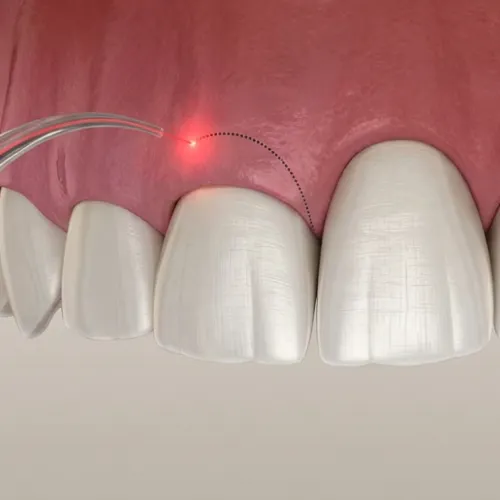
Gingival tissue naturally migrates over time, averaging roughly 1mm of recession per decade. When that happens, the margin where your veneer meets the tooth becomes visible. The exposed root surface and cement line create a noticeable color discrepancy — even when the porcelain itself is structurally perfect. Modern lithium disilicate materials like e.max are remarkably durable mechanically, yet patients find themselves needing replacements not because the veneer failed, but because their gumline shifted.
This is where tissue biotype matters. Patients with thicker gingival tissue experience significantly slower recession than those with thin, delicate gum tissue. A thin biotype may show visible margin exposure within seven to ten years; a thicker biotype may maintain an aesthetically seamless result for fifteen years or longer. Before committing to a full smile makeover, discussing your gum tissue biotype with your dentist is just as important as selecting veneer material. Left unaddressed, gum tissue changes can also progress into gum disease gingivitis, which further complicates cosmetic outcomes.
According to WebMD, before undergoing any cosmetic procedure, patients should be clear about what special maintenance will be needed afterward — a principle that extends to understanding how your own physiology affects aesthetic lifespan.
Here is a biological reality that rarely gets explained clearly: enamel removal is permanent and cumulative.
As Healthline notes, applying traditional veneers typically involves grinding down tooth structure, sometimes past the enamel — and this is an irreversible procedure. What that means long-term is significant. Each time veneers are replaced, removing the old resin cement and roughened surface inevitably shaves away additional tooth structure. Over successive replacement cycles, the bonding surface gradually shifts from enamel to dentin.
Why does that matter? Dentin bonding is less stable than enamel bonding. Dentin-bonded restorations are more susceptible to hydrolytic degradation over time, meaning each subsequent set of veneers has a shorter functional lifespan than the previous set. A tooth can realistically undergo only a limited number of prep-and-replace cycles — estimates generally point to three to four cycles — before the remaining structure requires a dental crown or, in extreme cases, root canal treatment.
This is why preserving the outermost 0.3mm–0.5mm of enamel during the first makeover is the single biggest factor in long-term tooth survival. A conservative first preparation protects your future options.
A Healthline overview of composite veneers reinforces this: the choice between veneer types should weigh the level of tooth alteration required, not just the immediate aesthetic outcome.
Patients often ask whether they can skip enamel removal entirely. The honest answer is: it depends on your tooth anatomy, not your preference.
No-prep and minimal-prep veneers are genuinely appropriate for specific clinical situations — teeth that are naturally small (microdontia), teeth that tilt slightly inward (lingually inclined), or cases involving a gap between front teeth. In these scenarios, adding a thin shell over the existing surface creates a natural emergence profile. Tooth veneers work best when the treatment plan accounts for these anatomical factors from the start.
However, if a tooth already protrudes forward, is rotated, or sits outside the dental arch, placing a no-prep veneer on top creates an over-contoured result. That bulky profile traps plaque at the gumline, leading to chronic marginal inflammation and potential bone loss over time — in addition to the cosmetic "chiclet" appearance patients want to avoid.
According to the American Dental Association's MouthHealthy resource, veneers require removal of a small amount of enamel to accommodate the shell properly. That anatomical requirement exists for sound biological reasons. A 0.5mm–0.7mm reduction on a forward-positioned tooth isn't aggressive dentistry — it's what makes the final result both beautiful and periodontally healthy.
The takeaway: no-prep eligibility is determined by clinical measurement, not marketing. A thorough evaluation that includes tooth position, gum biotype, and occlusion will clarify which approach is right for you.
The short answer is: the commitment is permanent, but the restorations are not.
Once enamel is removed, that tissue does not regenerate. WebMD confirms that because tooth enamel has no living cells, there is no way to repair damage from erosion — making the initial preparation decision genuinely irreversible. You will always need some form of coverage on those teeth going forward.
The restorations themselves — whether porcelain veneers, composite bonding, or crowns — have finite lifespans influenced by material choice, oral hygiene, bite forces, and the biological factors described above. With proper care, high-quality porcelain restorations commonly last ten to fifteen years before replacement becomes necessary.
Maintaining your results long-term means brushing twice daily, flossing consistently, wearing a nightguard if you grind, and attending regular dental cleaning appointments. MouthHealthy from the ADA emphasizes that routine dental visits remain one of the most important tools for preserving any cosmetic dental work.
If you're considering a smile makeover and want honest, thorough guidance — including whether your anatomy makes you a candidate for minimal-prep veneers — Complete Health Dentistry is here to help. Serving Woodland Hills and the West San Fernando Valley, our team evaluates every patient individually before recommending any cosmetic treatment. We also offer professional teeth whitening as part of a comprehensive approach to smile enhancement. Reach out to schedule a consultation.
This article is for informational purposes only and does not constitute professional dental or medical advice. Please consult a licensed dental provider for diagnosis and treatment recommendations specific to your situation.