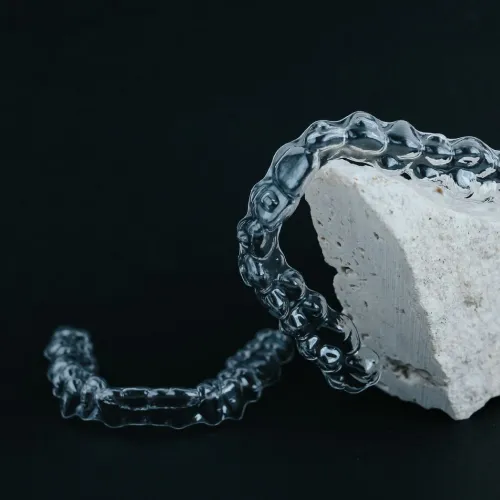
Invisalign Attachments, SmartTrack Material, and Why 22 Hours Is Non-Negotiable
Learn how Invisalign attachments, SmartTrack material, and the 22-hour wear rule create your best smile. Schedule your Invisalign consultation today!
Read More



Cosmetic Dentistry
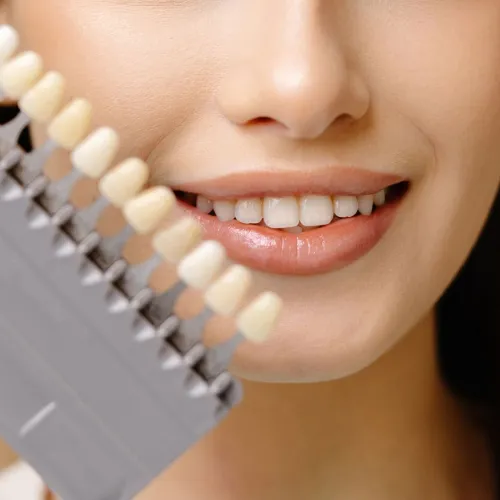
A bright smile can make a big difference in how you feel about yourself. Yet even with good brushing habits, teeth can lose their sparkle. Understanding why teeth stain is the first step to getting that glow back. At Complete Health Dentistry, we often see patients surprised to learn that not all stains are the same. Some are easy to lift, while others need extra care with professional teeth whitening.
Let’s take a deep look at how different stains form and what you can do about them.
Tooth stains can be grouped into three main types: extrinsic, intrinsic, and age-related. Each forms differently and responds to whitening in its own way.
1. Extrinsic stains: on the surface:
These stains live on the outside of the tooth, in the enamel layer. Common culprits include coffee, tea, red wine, dark berries, and tobacco. They build up gradually, often darkening from yellow to brown over time. Because they are on the surface, professional whitening treatments and regular cleanings can usually remove them effectively.
2. Intrinsic stains: beneath the surface:
These occur inside the tooth, often within the dentin, the layer beneath the enamel. Causes include trauma to the tooth, certain medications like tetracycline, too much fluoride during childhood, or long-standing cavities. Since the discoloration is embedded, over-the-counter whitening strips or toothpaste rarely make a difference. Professional treatments, such as in-office whitening or cosmetic options like veneers or bonding, are often the best approach.
3. Age-related stains: a natural change:
As we age, enamel thins and dentin naturally darkens. The result is a more yellow or gray shade that slowly develops over decades. This process is natural and doesn’t mean you’re not taking care of your teeth. Professional whitening can lighten these stains, though multiple treatments or combined options may be needed for the best result.
Understanding which type of stain you have is key. What works well for surface discoloration may barely touch deeper, older stains.
Daily habits often leave behind pigments that dull the smile, and some are more stubborn than others.
Coffee and tea:
Both are rich in tannins, tiny molecules that cling to enamel and create a yellow or brown hue. Even light coffee drinkers can see a change over time. Regular professional cleanings can help, and professional whitening treatments can safely break up the particles that brushing alone cannot remove.
Red wine:
Wine combines tannins with chromogens (deep color pigments) and mild acids. The acids roughen enamel, making it easier for pigments to settle in. This can lead to deep purplish stains that require more than daily brushing to erase. In-office whitening and occasional touch-ups can keep your smile bright.
Tobacco:
Smoking and chewing tobacco contain nicotine and tar, which create dark brown or even black stains. These not only discolor enamel but also seep into tiny cracks, making them difficult to treat with store-bought products. Professional whitening remains the most effective way to lift these stains, though quitting tobacco is essential for long-term oral and overall health.
Lifestyle choices don’t have to leave permanent marks. With the right treatment plan, even long-time coffee or wine drinkers can regain a naturally bright smile.
Even if you brush diligently and avoid dark drinks, time itself can dim your teeth. Natural changes inside the tooth and years of daily life gradually shift the color of your smile, even when your oral hygiene is excellent. This is why older teeth often look less bright than they once did, despite regular cleanings and good care.
Enamel thinning:
Over the years, the hard outer layer of enamel slowly wears down from normal chewing, exposure to acidic foods and drinks, and even natural brushing. This thinning is gradual and painless, but it exposes more of the dentin beneath. Dentin has a naturally deeper yellow tone, so as enamel gets thinner, your teeth may appear darker or more translucent. Even people who avoid coffee, tea, or wine notice this subtle change because it’s part of the natural aging process.
Changes in dentin:
Dentin, the layer beneath enamel, also changes with age. It doesn’t remain the same bright shade you had in childhood. Instead, it becomes thicker and develops a slightly darker, more opaque color over time. The dentin’s microstructure can also shift, creating a deeper hue that shows through the now-thinner enamel. This internal change can make whitening a bit more challenging than simply removing surface stains.
Cumulative staining:
Life leaves its mark on your teeth in tiny ways every day. Even if you rarely drink coffee or red wine, decades of eating, drinking, and natural wear create small pores and microscopic grooves in the enamel. Pigments from everyday foods, like berries or sauces, and even from healthy habits such as drinking herbal tea, can settle into these tiny openings. Over time, the accumulation of these pigments adds to the overall darkening of your smile.
Because age-related discoloration comes from both inside and outside the tooth, it can be more complex than simple surface stains. The combination of enamel thinning, dentin changes, and years of micro-staining means that a single whitening session might not produce the same quick results you’d expect for younger teeth or for purely extrinsic stains.
Professional whitening can still brighten an aging smile, but it requires a carefully planned approach. Your dentist may recommend in-office treatments with stronger professional-grade formulas, followed by custom take-home trays for gradual, even lightening. In some cases, combining whitening with cosmetic options like bonding or veneers provides the most consistent, natural-looking results. With the right plan, you can safely restore a luminous, youthful brightness to your smile, proving that age doesn’t have to dim your confidence.
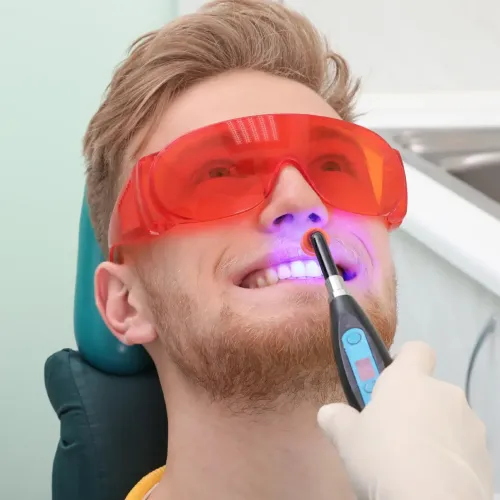
While at-home whitening strips or pastes may help with light surface stains, they often fall short with deeper or older discoloration. At Complete Health Dentistry, we tailor each whitening treatment to the type and depth of your stains. We use safe, effective professional-grade whitening systems that lift stains while protecting your enamel.
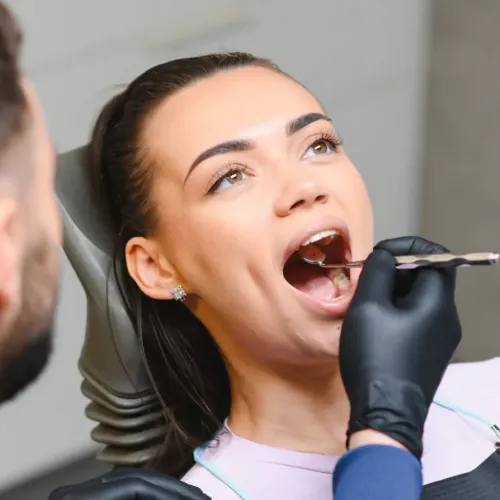
A professional evaluation can also identify any underlying dental concerns like gum issues or weakened enamel before treatment, ensuring both safety and lasting results.
Every smile tells its own story, and every stain has a cause. Whether you love your morning coffee, enjoy the occasional glass of wine, or simply want to counter the effects of time, professional whitening can help.
Schedule an appointment with Complete Health Dentistry today. We’ll evaluate your teeth, explain your options, and design a whitening plan that fits your life and goals. Your brightest, healthiest smile can start with one visit.