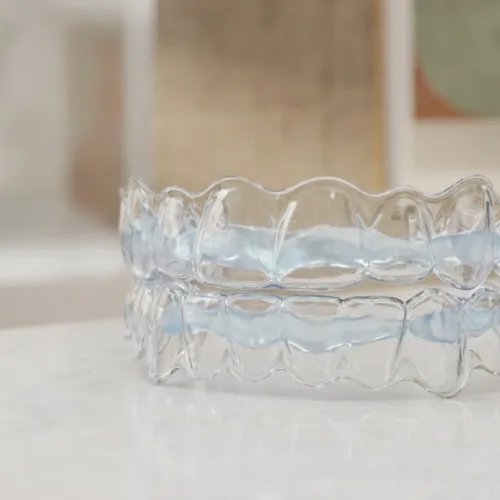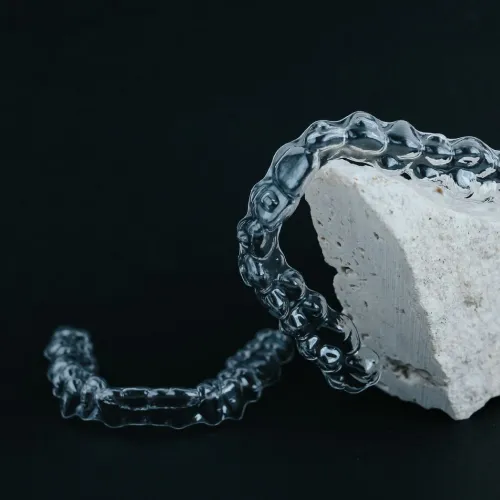
Invisalign Attachments, SmartTrack Material, and Why 22 Hours Is Non-Negotiable
Learn how Invisalign attachments, SmartTrack material, and the 22-hour wear rule create your best smile. Schedule your Invisalign consultation today!
Read More


General Dentistry
Even with the best brushing and flossing habits, plaque can still find hidden spots beneath your gums. Over time, that buildup can lead to bleeding gums, persistent bad breath, or even early signs of gum disease. When this happens, a regular cleaning isn’t enough to restore gum health. That’s where scaling and root planing, sometimes called a deep cleaning, comes in.
At Complete Health Dentistry, we see this treatment as a turning point for many of our patients. It’s not just about removing buildup; it’s about helping your gums heal, tightening their grip around your teeth, and preventing future problems before they start. In this article, we’ll walk you through what happens during scaling and root planing, what recovery feels like, and how it helps protect your smile from long-term damage.
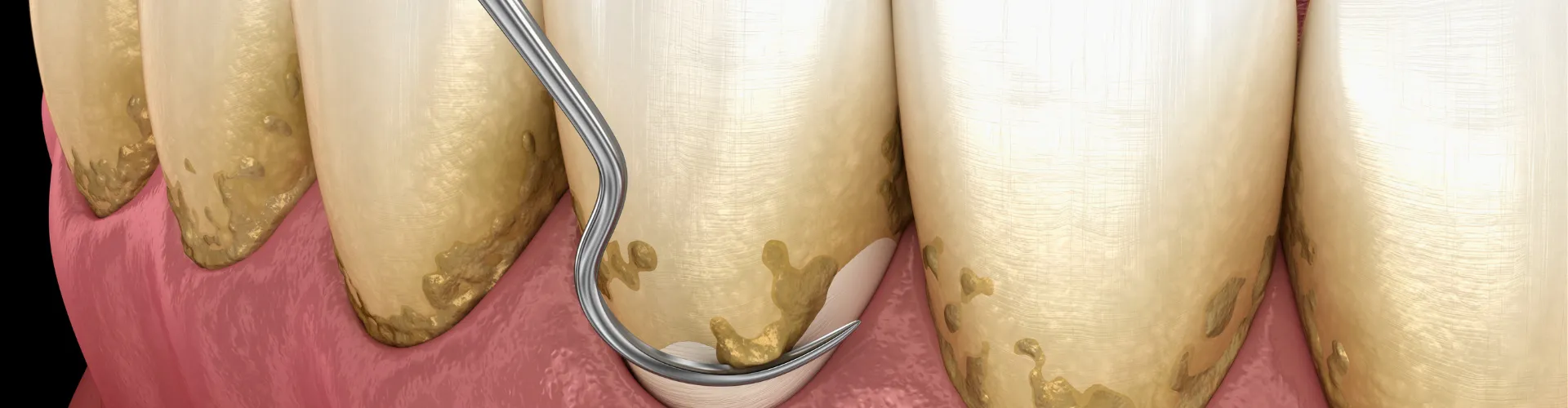
During scaling and root planing you receive a deep cleaning that includes removal of buildup above and below the gumline and smoothing of root surfaces to help your gums heal and reattach.
Now let’s break it down.
When you go in for a regular dental cleaning, the hygienist is cleaning above your gums and just beneath the gumline, taking off plaque, polishing off tartar, giving your teeth a shine. That’s great when gums are healthy or only mildly irritated. But once the gums have pulled away from the teeth a bit, creating pockets where bacteria hide, then a more intensive approach is needed. That’s where scaling and root planing (sometimes called “deep cleaning”) comes in.
In terms of how it differs from a regular cleaning:
Imagine your regular cleaning is like mowing the lawn. Great if the grass is OK. But if weeds have taken over and the soil beneath is compromised? Then you need something like a garden overhaul: removing roots, tilling, and stabilizing. Scaling and root planing is the garden overhaul for your gums.
Also, by smoothing the roots, you give the gums a nice, even surface to latch onto again, like repairing the foundation so the walls can stay up. Without that smoothing, bacteria can hang on, and the pocket can just remain as a safe hideout for trouble.
One more important note: though it’s more involved than a standard cleaning, it is still non‐surgical in most cases, meaning no cutting of the gums, no stitches. Just a deeper cleanup under the gums. Many people imagine something horrible, but really it’s just a more detailed version of what we do every cleaning, with some extra precision, care, and yes, perhaps a little more awareness of the gum health beyond what you can see.
At Complete Health Dentistry, we’ll talk through with you how many visits it might take (often half the mouth one day, the other half another day, depending on your situation), how comfortable you’ll be, and what we’ll do to make the process as smooth as possible. Because yes, we believe in comfort AND results.
Recovery after scaling and root planing typically takes a few days for tenderness and sensitivity to settle and a couple of weeks for full gum healing, with your home care and follow‐ups making a big difference.
Here’s what you should expect and what you can do to support your healing process.
Immediately after treatment
Days 1–7
Weeks 2–4
Long term (3 months and beyond)
Scaling and root planing can stop the progression of gum disease and significantly reduce the risk of tooth loss, though it may not fully reverse all damage already done.
Let’s unpack that with full honesty.
When you have gum disease (technically called Periodontitis), what’s happening beneath the surface is more than just red or swollen gums. Bacteria are flooding into the pockets between the teeth and gums, the gums are pulling away from the teeth, bone supporting the teeth is beginning to be lost — ultimately, your teeth can loosen and may even fall out if left unmanaged.
What scaling and root planing does — and does very well — is:
So yes, by acting early and thoroughly, scaling and root planing can prevent what might otherwise lead to tooth loss or more advanced gum surgery. That’s the “prevent tooth loss” angle.
At Complete Health Dentistry, we aim for the outcome where you leave the treatment with healthier tissues, fewer symptoms, strong gum support, and less chance of needing major interventions down the road. With your cooperation, we often succeed.
In short, Scaling and root planing is like hitting pause on the gum disease train. It slows it, often stops it, and gives your body the chance to heal what it can. But you also step on the tracks yourself by maintaining your oral hygiene, attending regular checkups, and following the aftercare plan.
If you’ve been noticing any of the following signs: your gums bleed when you brush or floss, your gums feel tender or swollen, your gums seem to be pulling away from your teeth, your teeth feel longer (due to gum recession), you have persistent bad breath, perhaps even loose teeth, these are signals your gums need more attention than a routine cleaning. At this point a discussion of scaling and root planing may be exactly the step forward your smile needs.
We at Complete Health Dentistry believe deeply in combining professional care with friendly guidance. We want you to feel confident, informed and comfortable throughout the process. We’ll explain exactly why we’re recommending scaling and root planing for you (if we think you need it), walk you through what happens, what you should expect afterward, and how we’ll work together to keep your gums in their best shape.
Here’s your next best step: If you’re ready to take control of your gum health, or if you’ve been putting off checking in on those bites of symptoms above, please reach out to us. Let’s schedule an appointment. We’ll assess your gums, check your pocket depths, talk about whether scaling and root planing is right for your situation, and map out a path forward together. Because your smile deserves more than “just okay”. It deserves to thrive.
Call us or book online today at Complete Health Dentistry. Let’s make your gums as strong as your teeth.