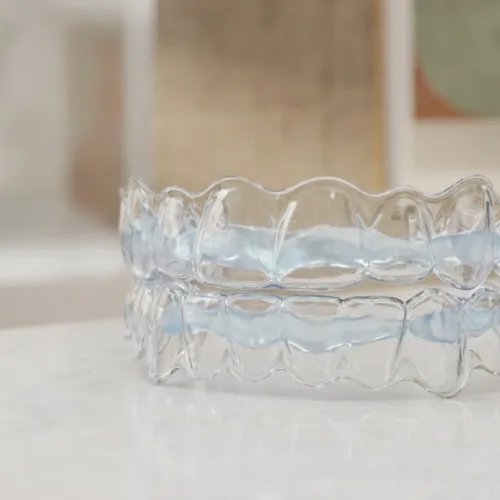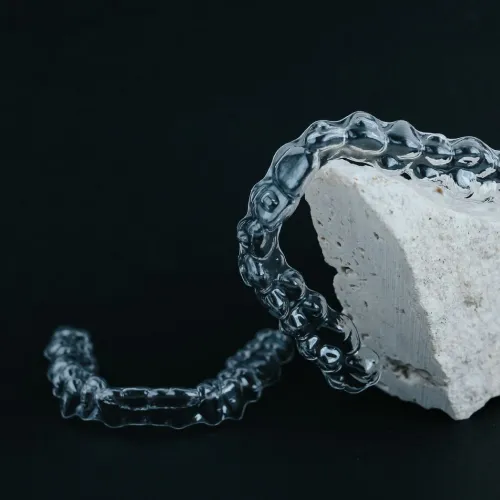
Invisalign Attachments, SmartTrack Material, and Why 22 Hours Is Non-Negotiable
Learn how Invisalign attachments, SmartTrack material, and the 22-hour wear rule create your best smile. Schedule your Invisalign consultation today!
Read More


Restorative Dentistry
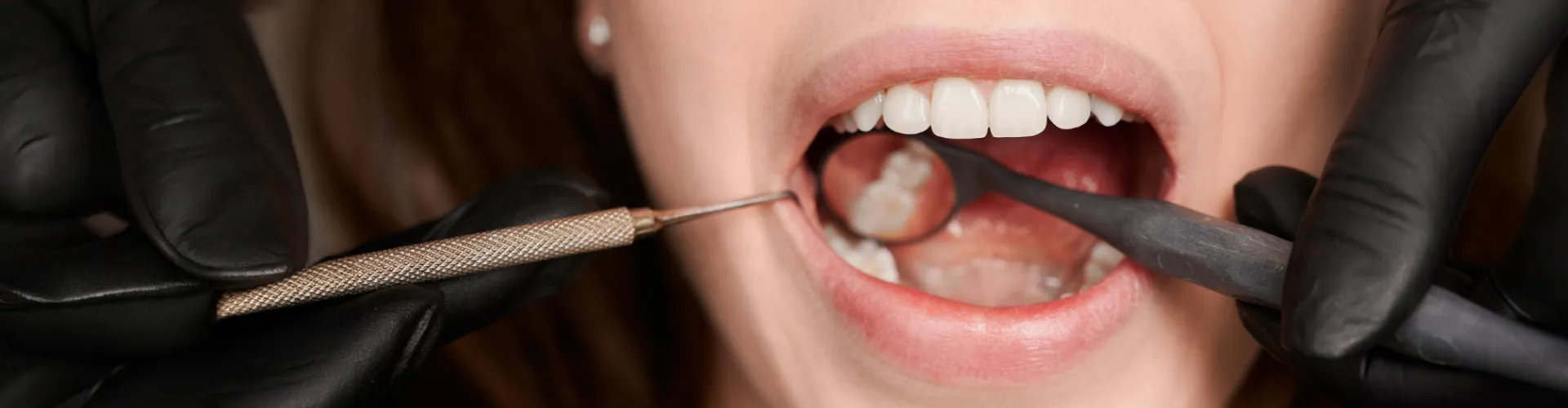
Dental fillings restore decayed teeth, but the drilling process and filling material itself can affect long-term tooth strength. Understanding why this happens — not just that it happens — helps you make smarter decisions about your cavity fillings and tooth decay care.
Most people assume a filling simply fills a hole. The reality is more nuanced, and it starts with how the cavity is prepared.
Traditional cavity preparation follows principles established by G.V. Black over a century ago — designed specifically for silver amalgam. These methods required "extension for prevention," meaning dentists removed healthy tooth structure beyond the decay to create mechanical locks, undercuts, and dovetail shapes that would physically hold the metal in place. The filling didn't bond to the tooth; it just sat inside a precisely carved pocket. According to the NIDCR, fillings and crowns generally don't last a lifetime and may need replacement — and each replacement using traditional methods enlarges the cavity further.
Modern biomimetic adhesive dentistry changes this equation. Instead of carving retention shapes into healthy enamel, tooth-colored composite resin bonds directly to the tooth surface using adhesive chemistry. This means a dentist only needs to remove the actual decay. The peripheral rim of enamel surrounding the cavity — the structural ring that resists fracture — stays intact. That preserved rim is critical. Research on cavity biomechanics confirms that extensive preparations dramatically increase stress concentration, raising fracture risk under normal chewing loads.
For patients in Woodland Hills and Calabasas, this distinction matters when choosing a dentist. Asking whether your provider uses adhesive bonding versus purely mechanical retention isn't an upsell conversation — it's a structural one.
Here's a specific concept that rarely gets explained to patients: isthmus width.
The isthmus is the narrowest part of a filling — the bridge of restorative material connecting two sides of a prepared cavity. Research published in PMC demonstrates that as cavity size increases, stress and strain distribution across the remaining tooth structure increases substantially, with extensive cavities showing significantly higher fracture risk than conservative ones.
The clinical threshold most dentists reference: when a filling's width exceeds roughly one-third to one-half of the distance between the tooth's cusps (the pointed chewing peaks), something shifts. Under bite pressure, the filling no longer just occupies space — it acts as a wedge. The cusps flex outward with each chew, a phenomenon called cuspal deflection. Over time, that repetitive bending creates micro-cracks in the enamel walls.
This is why a dentist might recommend a porcelain onlay or dental crown for a "large" filling rather than simply replacing it with more composite. The filling has crossed a threshold where a standard restoration can no longer protect the remaining tooth walls from splitting. Patients sometimes interpret this recommendation as unnecessary — but the geometry of the situation, not upselling, drives that clinical decision.
A WebMD overview of filling problems confirms that constant pressure from chewing, grinding, or clenching causes fillings to wear, chip, or crack — and that weaknesses your dentist catches during checkups are often invisible to patients themselves.
One of the least-discussed reasons fillings fail — and damage surrounding tooth structure — involves thermal physics.
Every material expands when heated and contracts when cooled. The problem is that silver amalgam, natural enamel, and dentin all expand and contract at different rates. This property is called the coefficient of thermal expansion (CTE). Every time you drink hot coffee or eat cold ice cream, your filling and your tooth move — but not together. Over years and decades, this mismatched movement creates what can be described as a "pumping effect" at the tooth-filling interface.
The result isn't dramatic. You won't feel it happening. But the repeated micro-strain gradually creates craze lines — hairline fractures — in the enamel surrounding the filling. This is why a 20-year-old amalgam filling that "feels fine" can suddenly cause a tooth to fracture while eating something soft. The enamel wasn't injured in that moment; it had been weakening for years.
The ADA's clinical practice guideline reinforces conservative tissue removal as the evidence-based standard precisely because preserving more natural tooth structure reduces the long-term consequences of this kind of material-tissue mismatch. Composite resin has a CTE much closer to natural tooth structure than amalgam, which is one reason modern dentistry has largely shifted toward tooth-colored materials.
When a filling fails — whether from secondary decay, fracture, or simply wearing out — the exposed tooth becomes vulnerable quickly. A Healthline overview of lost fillings outlines the immediate steps: call your dentist promptly, rinse with warm salt water, avoid chewing on that side, and use temporary dental wax if needed. Waiting too long risks bacteria reaching the dentin layer, which is softer than enamel and far more susceptible to rapid decay. In some cases, untreated decay can progress deep enough to require an endodontic root canal to save the tooth.
The deeper point is that failed fillings aren't just inconvenient — they signal that the tooth's structural situation has changed. A replacement filling placed into a previously filled tooth almost always requires removing more structure than the original. This cumulative loss is exactly why preventive care and early intervention matter. Catching decay before it reaches a size that demands a large restoration preserves more tooth, reduces fracture risk, and keeps treatment options simpler. Regular dental cleaning appointments give your dentist the opportunity to identify these issues before they escalate.
If you have older fillings, ongoing sensitivity, or questions about whether a restoration is still serving your tooth well, Complete Health Dentistry in Woodland Hills is ready to help. Our cosmetic dentist in Woodland Hills serves patients across the West San Fernando Valley — including Calabasas — with conservative, biomimetic-informed care focused on preserving your natural tooth structure for the long term. Schedule a comprehensive evaluation today.
Medical disclaimer: This article is for informational purposes only and does not constitute professional dental or medical advice. Always consult a licensed dental professional for diagnosis and treatment recommendations specific to your situation.