Invisalign Attachments, SmartTrack Material, and Why 22 Hours Is Non-Negotiable
Learn how Invisalign attachments, SmartTrack material, and the 22-hour wear rule create your best smile. Schedule your Invisalign consultation today!
Read More


Emergency Dentistry
When you hear the term endodontist, your first thought might be root canals. While that is part of the story, it barely scratches the surface of what these specialists do for your oral health. Endodontists are the unsung heroes who focus on saving your natural teeth through precise, targeted treatments that go beyond routine dental care.
Understanding their role can help you feel more confident when your dentist recommends seeing one. It can also help you make sense of why specialized care is sometimes necessary for problems that may seem straightforward on the surface.
In this article, we will explore what endodontists actually do, what makes them different from general dentists, and the procedures they perform to preserve your smile. We will also cover the non surgical treatments that can make a real difference in your comfort and long term dental health.
An endodontist performs treatments that focus on the inside of the tooth, particularly the pulp and root structures. Their most well known procedure is root canal therapy, but their skill set extends far beyond that.
At the core of their work is the commitment to saving natural teeth whenever possible. Instead of replacing a tooth with an implant or bridge, endodontic treatment aims to heal and protect the existing structure, allowing it to function normally for many years to come.
Some of the key procedures include:
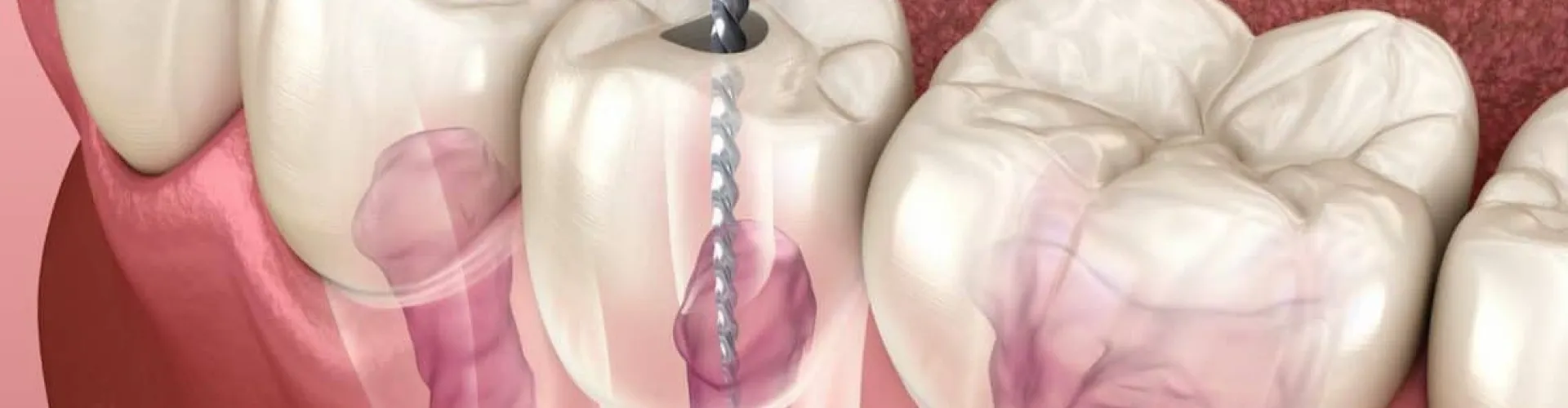
1. Root canal treatment: This is the most common procedure performed by endodontists. When the pulp inside a tooth becomes infected or inflamed, it can cause pain, sensitivity, and eventually lead to abscess formation if untreated. Endodontists carefully remove the infected tissue, clean the canal system with specialized instruments, and seal it to prevent reinfection. Their advanced training and use of high magnification allow them to treat complex cases that general dentists might refer out.
2. Retreatment of failed root canals: Sometimes, a tooth that has already undergone root canal therapy may become painful again months or even years later. This can happen due to hidden canals, new decay, cracks, or incomplete sealing. Endodontists are skilled at identifying the reason for failure and performing retreatment to give the tooth another chance at long term health.
3. Endodontic surgery (apicoectomy): If retreatment is not enough, an endodontist may perform a minor surgical procedure called an apicoectomy. This involves accessing the root tip through the gum and bone to remove any remaining infected tissue. This targeted approach can save a tooth that might otherwise need to be extracted.
4. Treatment of dental trauma: Teeth that are knocked out, fractured, or injured in accidents often require endodontic expertise. Endodontists can stabilize damaged teeth, treat the internal structures, and support the healing process to preserve the tooth’s function and appearance.
5. Pain diagnosis and management: Not all tooth pain is straightforward. Endodontists are trained to diagnose complex pain patterns that might mimic sinus issues, headaches, or other dental problems. Their focused expertise ensures that the true source of discomfort is treated effectively.
Because these specialists use advanced technology such as operating microscopes, 3D imaging, and ultrasonics, they are able to perform procedures with remarkable precision. This not only improves outcomes but can also make treatments more comfortable and efficient for patients.
An endodontist is a dentist who has undergone additional years of specialized training in diagnosing and treating problems involving the inside of the tooth. While general dentists provide a broad range of services such as cleanings, fillings, and basic restorative work, endodontists focus exclusively on the pulp and root canal systems.
Their name comes from two Greek words: endo, meaning inside, and odont, meaning tooth. This reflects their area of expertise. To become an endodontist, a dentist must complete dental school and then pursue two or more years of postgraduate education in endodontics. This training involves mastering complex anatomy, pain management techniques, and advanced procedures.
Endodontists work closely with general dentists. Often, your regular dentist will detect a problem such as deep decay or infection and refer you to an endodontist for treatment. After the procedure, you will return to your general dentist for a final restoration such as a crown or filling. This collaborative approach ensures that each part of the treatment is handled by the right expert.
Beyond their technical skill, endodontists are also known for their diagnostic abilities. Many dental problems present with vague or overlapping symptoms. An endodontist’s focused training allows them to pinpoint the exact source of pain or infection and recommend the most effective treatment.
Their work is crucial for maintaining natural teeth. Instead of defaulting to extraction, endodontists prioritize preservation. A natural tooth, when properly treated, often functions better and lasts longer than even the best artificial replacement.
Non surgical endodontic treatment is the standard method for treating problems inside the tooth without making incisions in the gums. It involves accessing the pulp chamber through the crown of the tooth, cleaning and shaping the root canals, and sealing them to eliminate infection and prevent further damage.
The most common form of non surgical endodontic treatment is root canal therapy. In this procedure, the endodontist uses fine instruments to remove diseased pulp, disinfect the internal space, and fill it with a biocompatible material. The tooth is then restored with a crown or filling to protect it from future fractures.
Why is this approach so valuable?
In some cases, non surgical treatment is also used for retreatment. If a previously treated tooth develops new symptoms, the endodontist can reopen the canals, remove the old filling material, disinfect again, and reseal the system. This is often the preferred first step before considering surgery.
Modern techniques have made non surgical endodontic procedures far more comfortable than their reputation suggests. With precise anesthesia, advanced imaging, and refined tools, most patients report minimal discomfort during and after treatment.
One of the reasons endodontists achieve such high success rates is their use of specialized technology.
Microscopes provide enhanced visibility of intricate canal systems that would be impossible to see with the naked eye. Many teeth have extra canals or unusual shapes that can be easily missed without magnification.
Cone beam computed tomography (CBCT) gives endodontists three dimensional images of the teeth and surrounding bone. This allows for accurate diagnosis of hidden fractures, accessory canals, or unusual anatomy that might complicate treatment.
Ultrasonic instruments enable gentle but thorough cleaning of complex canal spaces. They help remove debris and shape the canals with less risk of damaging the surrounding tooth structure.
This combination of training and technology allows endodontists to save teeth that might otherwise be considered hopeless. It also ensures that treatments are as minimally invasive and efficient as possible.
You might need to see an endodontist if you experience any of the following:
Your general dentist may refer you, or you can seek an evaluation directly if you suspect a complex issue. Early intervention often means a simpler treatment and a higher chance of saving the tooth.
A typical visit to an endodontist starts with a thorough review of your dental history and symptoms. The endodontist will examine the tooth, take specialized imaging, and explain the diagnosis in detail.
If treatment is needed, most procedures can be completed in one or two visits. The area will be numbed completely, and the endodontist will work with great precision. After the procedure, you may feel mild tenderness, but this usually subsides within a few days. Detailed aftercare instructions will be provided to support healing.
If you are experiencing persistent tooth pain, sensitivity, or signs of infection, the right care at the right time can make all the difference. Our trusted endodontic specialists at Complete Health Dentistry use advanced technology and proven techniques to save your natural teeth whenever possible.
Delaying treatment can lead to more complex problems, so do not wait. Schedule your appointment today and take the first step toward lasting oral health.