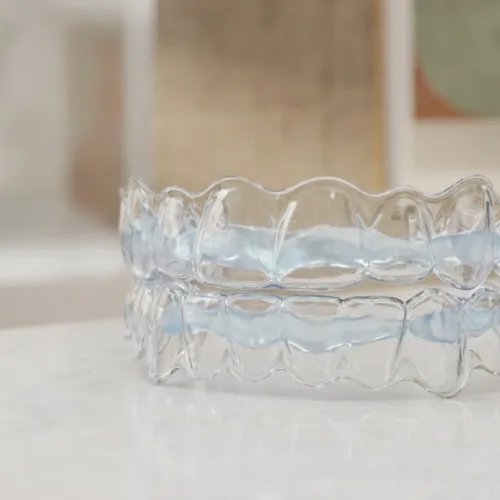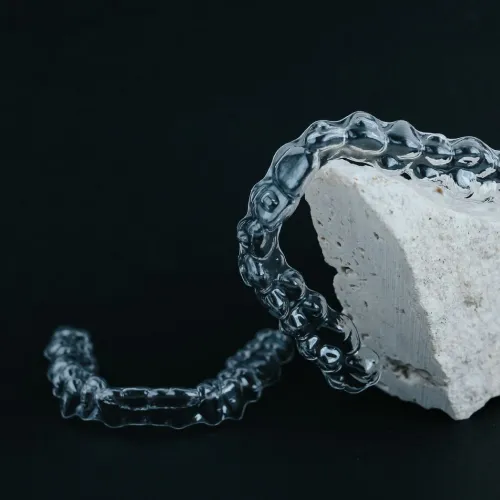
Invisalign Attachments, SmartTrack Material, and Why 22 Hours Is Non-Negotiable
Learn how Invisalign attachments, SmartTrack material, and the 22-hour wear rule create your best smile. Schedule your Invisalign consultation today!
Read More



Emergency Dentistry
Most people picture gum disease as “bleeding when I brush” or “my gums look red.” That can be part of it, yes. But the real story happens under the gumline, where you cannot see it in the mirror.
Gum disease is not just about gums. It is about the support system that holds your teeth in place: the gum tissue, the ligaments, and the bone. When that foundation gets irritated long enough, the body tries to defend itself. The problem is, the same immune response that fights bacteria can also damage the tissues you need to keep your teeth stable.
If you have ever wondered why your gums sometimes feel fine even when something is starting to go wrong, this will make sense by the end.
In this article, you’ll learn:
Gum disease usually begins with plaque, a sticky film of bacteria that forms on teeth every day. If plaque is not removed thoroughly, it hardens into tartar (calculus). Tartar is a problem because it clings tightly to teeth and creates a rough surface where bacteria keep building.
Here is what makes gum disease tricky: it can progress without sharp pain. Many people assume “If it doesn’t hurt, it’s fine.” But gum disease often does not announce itself loudly until it has advanced.
Early clues can be subtle, like:
Even before your gums look dramatically different, changes can be happening below the surface.
1) The gum seal starts to loosen: Healthy gums form a snug seal around each tooth. When plaque and bacteria irritate that edge, the body sends inflammatory signals to fight it. The gum tissue swells, and that seal becomes easier to disrupt.
2) A pocket forms: As inflammation continues, the gum can detach slightly from the tooth, creating a small space called a periodontal pocket. That pocket becomes a protected hiding place for bacteria. And because it is below the gumline, your toothbrush cannot fully reach it.
3) The immune system stays “on”: Your body is trying to help, but chronic inflammation is exhausting. Over time, the constant battle can break down collagen fibers and supporting structures.
What you cannot see is often the most important part:
This is why a gum evaluation matters. Measuring pocket depths and checking for bleeding points can reveal gum disease long before it becomes obvious.
Gingivitis is the early stage of gum disease. Periodontitis is the more advanced stage, where supporting bone and tissue loss can occur.
Think of it this way:
The best part about catching gum disease in the gingivitis stage is that it is often reversible with the right care and consistency.
Gingivitis does not “flip a switch” overnight. It progresses step by step when inflammation sticks around long enough.
Step 1: Plaque stays in place
Even people who brush daily can miss the gumline, back molars, crowded areas, or spots that are tender and easy to avoid.
Step 2: Tartar forms and bacteria shift
Tartar makes plaque harder to remove at home. Over time, bacteria can shift from mostly surface level plaque to more aggressive bacteria in deeper areas.
Step 3: Pockets deepen
As the pocket deepens, oxygen levels drop, and that can favor bacteria that thrive in low oxygen environments. This is one reason gum infections can get stubborn.
Step 4: Attachment and bone begin to change
This is the point where periodontitis starts. The tissues that attach gum to tooth weaken. Bone loss can begin. Teeth may start to feel looser over time, even if the change is gradual.
A key truth: periodontitis is often more about inflammation over time than a single missed brushing session. It is the long game.
Common risk factors that speed up progression include:
Yes, and this surprises a lot of people.
Here is why bone loss can begin quietly: bone does not have the kind of nerve endings that give you a sharp warning early on. You might not feel pain while the bone support around a tooth is slowly changing.
Sometimes the first “obvious” signs appear later, such as:
So how do you catch it early? This is where dental exams and imaging matter. Bone levels are often evaluated with dental X rays and clinical measurements. You can be doing “okay” day to day and still have early periodontitis developing in certain areas.
Home care is powerful, but it needs to be the right kind of power. Scrubbing harder is not the answer. Precision is.
Focus on these habits:
Quick reality check: If tartar is present, you cannot remove it at home. At that point, professional cleaning is not optional if you want to stop progression.
Treatment depends on the stage. At Complete Health Dentistry, the goal is to reduce infection, calm inflammation, and protect the bone that supports your teeth.
Care may include:
In many cases, people feel relief quickly once the bacterial load is reduced. Gums tend to look healthier, bleeding improves, and breath can noticeably change.
If you have had gum bleeding more than once or twice, or if bad breath keeps coming back despite brushing, it is worth taking seriously.
Schedule an evaluation if you notice:
The earlier you catch gum disease, the more conservative treatment can be. Waiting often turns a smaller fix into a longer plan.
If you suspect gum disease, or you just want clarity on what is happening beneath your gums, we can help.
Schedule an appointment with Complete Health Dentistry to get your gums evaluated, measure pocket depths, and create a plan that protects your teeth for the long run. Catching gum disease early is one of the best investments you can make in your health, and your future smile.