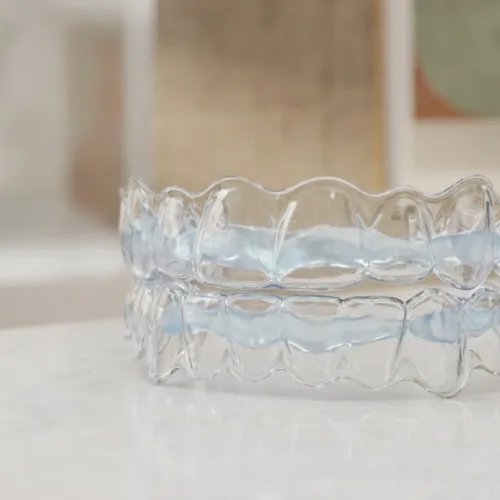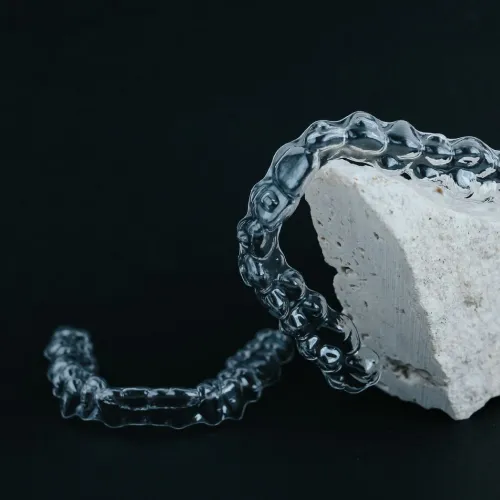
Invisalign Attachments, SmartTrack Material, and Why 22 Hours Is Non-Negotiable
Learn how Invisalign attachments, SmartTrack material, and the 22-hour wear rule create your best smile. Schedule your Invisalign consultation today!
Read More


Specialty Dentistry
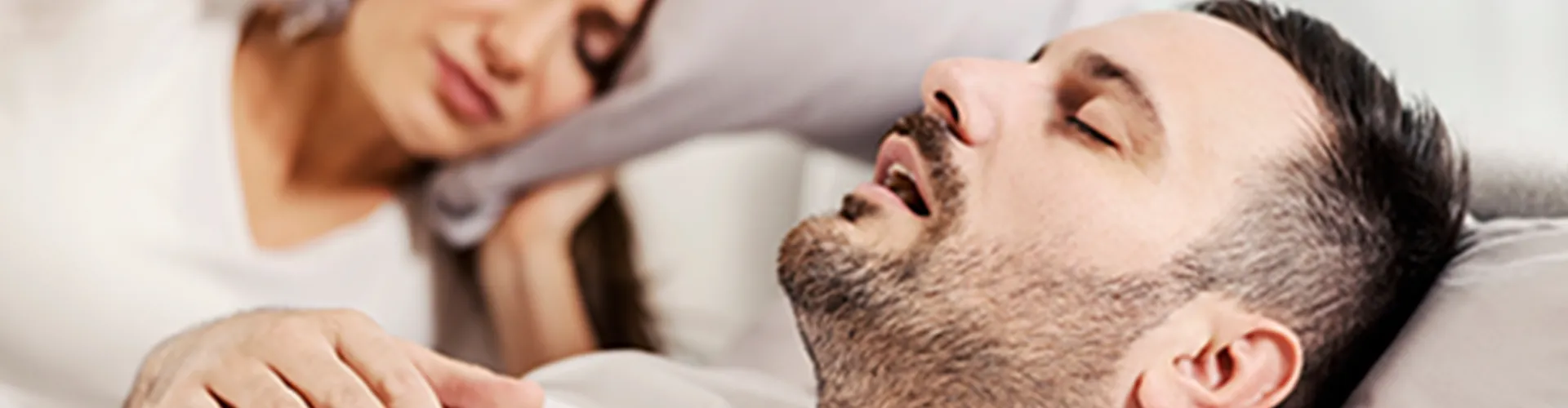
Sleep apnea is a condition that many people don’t fully understand, but it’s crucial to recognize its serious implications. At Complete Health Dentistry, we often see patients who suffer from this condition but are unaware of the dangers. Sleep apnea can lead to serious health complications and even death if left untreated. If you or someone you love snores loudly, feels tired after a full night's sleep or has been diagnosed with sleep apnea, you may need to take action sooner rather than later. Your health—and even your life—could depend on it.
Sleep apnea is a disorder where your breathing repeatedly stops and starts while you sleep. These breathing interruptions can last from a few seconds to minutes and may occur multiple times an hour. The most common type is obstructive sleep apnea (OSA), where the muscles in the throat relax, causing the airway to collapse or become blocked.
It might seem like just an annoyance, but sleep apnea can put immense strain on your heart and brain due to the constant lack of oxygen. If you have this condition, you may also notice related issues like daytime fatigue, mood swings, memory problems, and difficulty concentrating. Untreated sleep apnea can even increase the risk of high blood pressure, stroke, and heart failure.
If you haven’t been screened yet or suspect that you may have sleep apnea, we recommend scheduling a thorough dental exam at Complete Health Dentistry. It’s a crucial first step toward diagnosing this condition.
One of the most concerning aspects of sleep apnea is its impact on life expectancy. Sleep apnea doesn’t just cause disruptions in sleep—it can also lead to serious and life-threatening health problems over time. Research has shown that people with untreated sleep apnea are more likely to develop medical conditions such as heart disease, high blood pressure, diabetes, and stroke. These conditions, when compounded with sleep apnea, can drastically shorten a person’s life expectancy.
In fact, individuals with severe sleep apnea can have their life expectancy reduced by as much as 12 years. The reason for this is the constant strain that interrupted breathing places on the body, particularly the heart and other vital organs. Each time breathing stops, oxygen levels in the blood drop, and the body is forced to work harder to maintain proper oxygenation. This repeated stress, night after night, can lead to or exacerbate cardiovascular problems like hypertension, heart arrhythmias, and even heart failure. Sleep apnea also increases the risk of stroke and can cause blood sugar levels to spike, leading to a higher chance of developing type 2 diabetes.
The dangers of sleep apnea don’t end there. People with this condition are more likely to experience daytime fatigue, which can affect their ability to focus and increase the risk of accidents—particularly car accidents. Studies show that individuals with untreated sleep apnea are up to five times more likely to be involved in serious traffic accidents due to impaired alertness.
However, the good news is that with proper treatment, many of these risks can be reduced, and patients can live healthier, longer lives. Continuous Positive Airway Pressure (CPAP) therapy is one of the most effective treatments for moderate to severe sleep apnea. CPAP machines help keep the airway open during sleep, reducing the number of breathing interruptions and ensuring that the body receives adequate oxygen. Lifestyle changes, such as losing weight, avoiding alcohol before bedtime, and sleeping on your side, can also alleviate the symptoms of sleep apnea. For patients who struggle with CPAP or prefer an alternative, certain dental appliances designed to keep the airway open can significantly improve sleep quality and reduce health risks.
If you’ve been diagnosed with sleep apnea, or even suspect you may have it, it’s important to seek treatment as early as possible. With the right care, you can manage the condition and avoid these long-term health consequences, significantly improving your quality of life—and potentially extending it.
Sleep apnea does have a genetic component, meaning that it can run in families. If a close family member has been diagnosed with sleep apnea, your chances of having it are higher. Factors such as the structure of the face, neck, and airway can be inherited, increasing your likelihood of developing this condition.
Other genetic factors, such as a predisposition to obesity, can also increase the risk of sleep apnea, as excess weight is one of the leading contributors to airway obstruction during sleep. While genetics play a role, lifestyle factors like smoking, alcohol consumption, and poor sleep hygiene can further elevate the risk.
If sleep apnea runs in your family, it’s a smart idea to schedule regular checkups with your healthcare provider and consider a sleep study if you experience any symptoms. Early detection and intervention are key to managing the condition effectively.
While it’s rare for someone to die directly from sleep apnea in their sleep, the condition significantly increases the risk of fatal complications. Studies suggest that individuals with untreated sleep apnea are up to four times more likely to experience sudden cardiac death than those without the condition.
It’s not the actual pauses in breathing that typically lead to death but rather the long-term damage caused by a lack of oxygen. Sleep apnea increases the risk of heart attack, stroke, and severe arrhythmias, all of which can lead to sudden death if left untreated.
Because the symptoms of sleep apnea, such as snoring or daytime fatigue, may seem mild or manageable, many people don’t realize how dangerous the condition can be. At Complete Health Dentistry, we can help identify the early signs of sleep apnea during your routine cleanings or dental exams, ensuring you get the care you need before more serious health issues arise.
Thankfully, sleep apnea is highly treatable. There are various options depending on the severity of the condition. Mild cases of sleep apnea may be managed with lifestyle changes such as weight loss, positional therapy, or avoiding alcohol before bedtime. More severe cases may require CPAP therapy or oral appliances designed to keep the airway open.
At Complete Health Dentistry, we offer custom-made oral appliances for sleep apnea that fit comfortably in your mouth and help prevent airway blockage during sleep. These appliances are often a great alternative for patients who struggle with CPAP machines or find them uncomfortable.
If you or a loved one has been experiencing symptoms of sleep apnea, such as loud snoring, gasping for air during sleep, or chronic daytime fatigue, it’s time to take action. Ignoring sleep apnea can lead to devastating consequences.
We encourage you to schedule an appointment at Complete Health Dentistry today. During your visit, we can discuss your symptoms, conduct a thorough exam, and help you explore treatment options that work for your lifestyle. Your health and well-being are worth it.