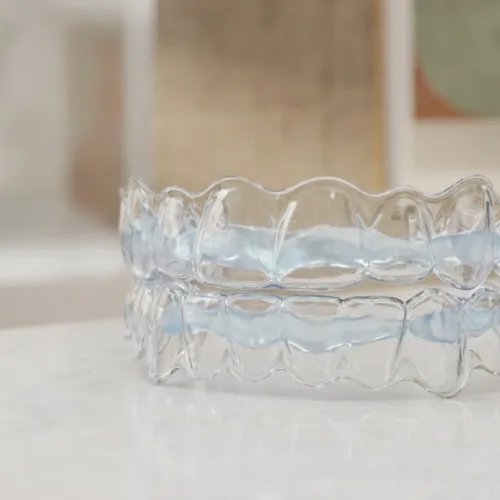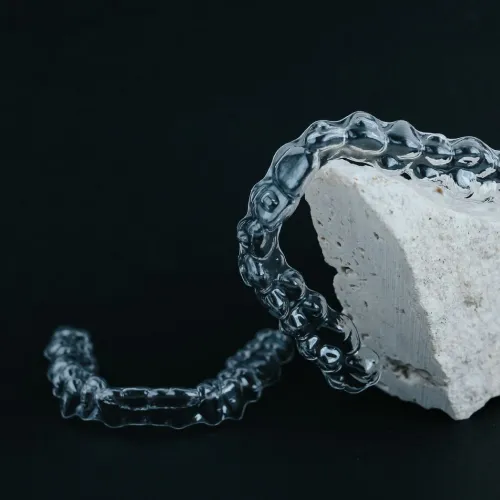
Invisalign Attachments, SmartTrack Material, and Why 22 Hours Is Non-Negotiable
Learn how Invisalign attachments, SmartTrack material, and the 22-hour wear rule create your best smile. Schedule your Invisalign consultation today!
Read More



Emergency Dentistry
A toothache can be easy to put off at first. Maybe it comes and goes. Maybe it feels like sensitivity from something cold, or a little soreness when you chew. But when pain starts to build, swelling appears, or the tooth begins to feel different in a way you cannot ignore, it may be more than an ordinary toothache. In some cases, it may be a tooth abscess.
A tooth abscess is a pocket of infection that can form around the root of a tooth or in the gums near the tooth. It is not just uncomfortable. It is a sign that bacteria have reached an area they should not be in, and that infection needs treatment. Left alone, it can spread, worsen, and begin to affect more than just the tooth itself.
At Complete Health Dentistry of Woodland Hills, we help patients take dental pain seriously without panic. If something feels off, the goal is to find out what is happening, relieve discomfort, and protect your oral health before the problem grows.
A tooth abscess usually develops when bacteria enter the inner part of the tooth or the surrounding tissue. This can happen because of:
Inside each tooth is a soft area called the pulp. It contains nerves, blood vessels, and connective tissue. If bacteria reach that space, infection can build pressure inside the tooth and around the root. In some cases, the infection may also begin in the gums and affect the tissues supporting the tooth.
This is one reason abscesses can feel so intense. The pressure, inflammation, and infection can create pain that is hard to ignore. Sometimes the pain is constant. Other times it pulses, spreads, or flares up suddenly when you least expect it.
A tooth abscess does not always look dramatic right away, but there are several symptoms that should raise concern. Some people notice one or two signs at first, while others feel like the issue escalates quickly.
Common signs of a tooth abscess include:
Sometimes an abscess causes a small bump on the gum that drains fluid. If that happens, a person may notice a bad taste or sudden drop in pressure. Even if the pain seems to improve after that, the infection is not necessarily gone. It may still be active and still needs treatment.
It is also worth knowing that pain from an abscess can travel. Some patients feel it in the jaw, ear, or surrounding teeth and assume the source is somewhere else. That is why an exam matters. The tooth that hurts the most is not always the tooth causing the problem.
One of the tricky things about dental infections is that people often hope they will settle down on their own. If the pain eases for a day or two, it can seem like the problem is resolving. In reality, the infection may simply be changing or draining in a way that temporarily reduces pressure.
Other times, people avoid care because they are busy, nervous, or worried that treatment will be complicated. That is understandable, but an abscess is one of those problems that usually gets harder, not easier, with time.
Prompt care matters because:
The earlier an abscess is diagnosed, the better the chances of getting the problem under control with a clear plan and less disruption.
In most cases, no, a tooth abscess does not go away on its own.
The pain may change. The swelling may temporarily go down. The abscess may drain and make it seem like the problem is improving. But the source of the infection usually remains unless it is properly treated.
That is because the bacteria causing the abscess are often inside the tooth, around the root, or within infected gum tissue. Those areas do not simply heal on their own once infection is established. Without treatment, the infection can continue damaging the tooth and nearby structures.
It is important not to rely on home remedies as a fix. Rinsing with warm salt water may help soothe the area for a short time. Over the counter pain relief may reduce discomfort. But these are comfort measures, not solutions.
A tooth abscess is not something to monitor casually for weeks. It needs professional evaluation, even if symptoms seem manageable in the moment.
Not every abscess is treated the exact same way. The right approach depends on where the infection is, how severe it is, and whether the tooth can still be saved.
When you come in, the dentist will look at your symptoms, examine the area, and usually take imaging to understand what is happening below the surface. That helps determine whether the infection is inside the tooth, around the root, in the gums, or affecting nearby bone.
From there, treatment is based on what gives you the best chance of removing the infection and protecting your long term oral health.
Tooth abscess treatment focuses on two things: stopping the infection and addressing the source of the problem.
Depending on the case, treatment may include:
A lot of patients hear the word abscess and immediately worry they will lose the tooth. That is not always the case. In many situations, a tooth can be saved if treatment happens early enough. A root canal, for example, can remove infected tissue from inside the tooth, clean the canals, and allow the tooth to stay in place with proper restoration.
In other cases, extraction may be the healthier option, especially if the tooth is severely broken down or the infection has caused too much damage. If that happens, your dentist can talk you through replacement options so you are not left wondering what comes next.
The most important thing is not guessing. Treatment should be based on what is actually happening in your mouth, not just on symptoms alone.
Some dental problems can wait a little. A tooth abscess is not one of them.
You should contact a dentist as soon as possible if you have:
These symptoms can point to an active infection that needs timely care. The sooner you are seen, the sooner you can get relief and a treatment plan.
A tooth abscess is your body’s way of signaling that something is wrong and needs attention. It is not just a random toothache, and it is not something to hope away. The good news is that with the right treatment, the infection can be managed and your dentist can help you move forward with less pain and more clarity.
If you are noticing swelling, throbbing pain, sensitivity, or any of the signs mentioned above, now is the time to act.
Schedule an appointment with Complete Health Dentistry of Woodland Hills to have the area evaluated and get the care you need before the problem becomes more serious.