Invisalign Attachments, SmartTrack Material, and Why 22 Hours Is Non-Negotiable
Learn how Invisalign attachments, SmartTrack material, and the 22-hour wear rule create your best smile. Schedule your Invisalign consultation today!
Read More


Restorative Dentistry
If you are thinking about dental implants, you may have heard the words “bone grafting” and felt a bit unsure. It can sound intimidating at first. Many people imagine something complex, painful, or unnecessary. In reality, bone grafting is often the quiet hero behind a long-lasting implant. It gives your new tooth the solid foundation it needs to feel natural, look right, and stay secure for years.
At Complete Health Dentistry, we often meet patients who are excited about restoring their smile but confused about why bone grafting is even mentioned. The truth is simple. Dental implants are not just cosmetic. They are functional. They replace the root of a missing tooth, not just the visible part. And just like a real root, an implant needs strong bone to anchor into.
This blog will walk you through what bone grafting really is, why it is sometimes needed, how it helps implants succeed, and what can happen if there is not enough bone support. You will also learn what the process feels like, how long healing takes, and how we make it as comfortable as possible.
When a natural tooth is lost, the bone that once supported it starts to change. This happens quietly and steadily over time.
Your jawbone stays strong because of stimulation from chewing. When a tooth root is present, it sends signals to the bone that keep it healthy and dense. When that root disappears, the bone no longer gets the message. As a result, the body slowly begins to resorb or break down that area of bone.
Here are a few reasons this matters:
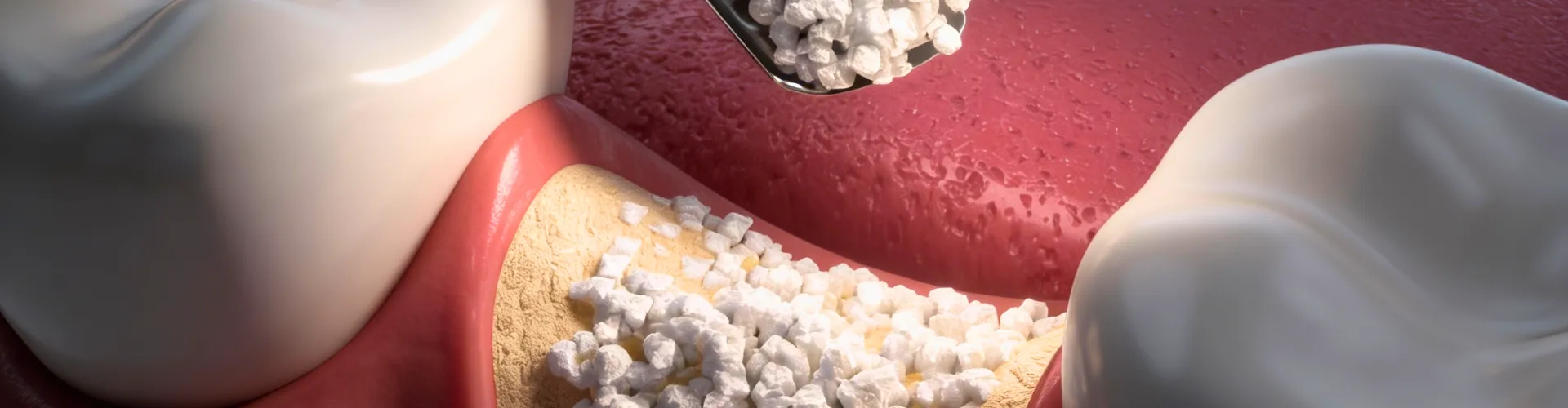
Bone grafting is a way to rebuild or strengthen the jawbone where it has thinned or weakened. It creates the right conditions for a dental implant to be placed safely and successfully.
Common situations where bone grafting is recommended
Bone grafting is not something everyone needs. It depends on your individual anatomy, dental history, and timing. Some common reasons include:
Think of bone grafting like reinforcing the soil before building a house. You would not place a structure on unstable ground and hope for the best. You would strengthen the foundation first.
Dental implants are designed to act like real tooth roots. They are placed into the jawbone, where they fuse with the bone through a process called osseointegration. This fusion is what makes implants so stable and long-lasting.
Bone grafting plays a crucial role in this process.
It creates enough bone for proper implant placement
An implant needs a certain amount of height, width, and density in the jawbone. If the bone is too thin or soft, the implant may not anchor properly. A graft adds volume and structure so the implant has the space and strength it needs.
It improves long-term stability
Stability is not just about the first few months. It is about how well the implant holds up over the years. When there is enough healthy bone, the implant is less likely to loosen or fail.
It supports natural-looking results
Bone loss can change the way your face looks. It can create a sunken appearance around the mouth or cause uneven contours. Grafting helps maintain your natural facial shape and ensures that the final restoration looks balanced and realistic.
It protects nearby teeth and gums
When bone is missing, neighboring teeth can drift or tilt. This can affect your bite and oral health. A graft helps preserve alignment and provides support for surrounding structures.
There is no one-size-fits-all approach. The type of graft we use depends on your needs, your health, and your treatment plan.
Common options include:
Each option has its benefits, and your dentist will help you choose what works best for you.
Many people are surprised by how straightforward the process is.
Here is what typically happens:
Most patients describe mild to moderate soreness afterward, similar to a tooth extraction. Swelling and tenderness are normal and usually resolve within a few days.
It can be tempting to skip steps, especially when you are eager to complete your smile. But placing an implant without enough bone is risky.
The implant may fail to integrate:
Osseointegration depends on good bone contact. Without it, the implant may not fuse properly. This can lead to loosening or complete failure.
You may experience discomfort or instability:
An implant that is not well-supported can feel uncomfortable when chewing. It may move slightly, which defeats the purpose of choosing implants in the first place.
The final result may look unnatural:
Bone provides structure to the gums and lips. Without enough of it, the restoration may appear sunken or uneven.
You could end up needing more complex treatment later:
If an implant fails, it often requires removal, healing time, and additional procedures. Starting with proper bone support can save you time, money, and frustration.
While bone grafting is often discussed in relation to dental implants, it offers broader benefits.
It helps preserve your natural facial shape.
Bone loss can change how your face looks over time. Supporting the jaw helps maintain youthful contours.
It protects your bite.
When teeth shift into empty spaces, it can lead to uneven pressure and jaw discomfort.
It improves overall oral health.
A strong jawbone supports healthy gums and surrounding teeth.
Healing after bone grafting takes time, but most patients are pleasantly surprised by how manageable it is.
The early days
You may notice:
These are normal and usually fade within a week.
The bone-building phase
Your body gradually replaces the graft material with new bone. This process can take a few months, depending on the size of the graft and your individual healing ability.
When implants are placed
Once the bone has matured, your implant can be placed with confidence. This increases the chance of long-term success.
Taking care of yourself after the procedure makes a big difference.
Here are a few helpful tips:
There are many misconceptions about bone grafting. Let us clear a few up.
Myth: Bone grafting is extremely painful.
Reality: Most patients experience only mild discomfort that is easily managed.
Myth: It is only for severe cases.
Reality: Even small amounts of bone loss can affect implant success.
Myth: It makes treatment take too long.
Reality: While it adds healing time, it prevents complications that could cause even longer delays.
Yes. Bone grafting has been used in dentistry for decades and is considered a safe, well-established procedure. Modern materials and techniques make it more predictable than ever.
At Complete Health Dentistry, your safety is our top priority. We evaluate your health history, take detailed images, and plan every step carefully.
Most people who are healthy enough for dental implants are also good candidates for bone grafting.
However, we pay close attention to:
All of these factors are considered when creating your personalized plan.
The best time for bone grafting is often right after a tooth is removed. This is known as socket preservation. It helps prevent bone loss before it even starts.
If the tooth has already been missing for a while, grafting can still be done. It just becomes a restorative step rather than a preventive one.
Dental implants are a powerful way to restore confidence, comfort, and function. But like anything built to last, they need a solid base.
Bone grafting is not an obstacle. It is a supportive step that makes your treatment safer, stronger, and more predictable. It allows your implant to feel natural, look right, and function the way it should.
At Complete Health Dentistry, we take the time to explain every part of your care so you feel informed, comfortable, and confident in your decisions.
If you are considering dental implants or have been told you might need bone grafting, we would love to help you understand your options.
Schedule a consultation with Complete Health Dentistry today. Together, we can create a plan that supports your smile now and for years to come.