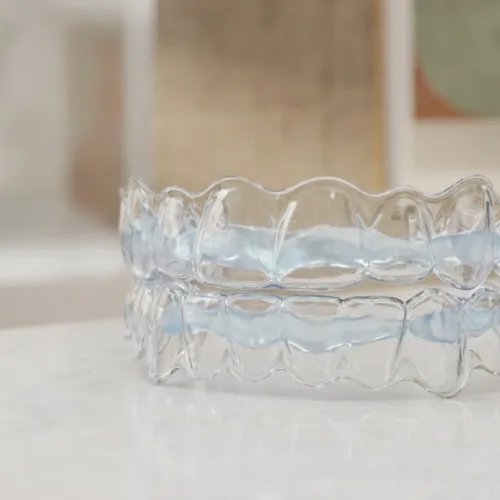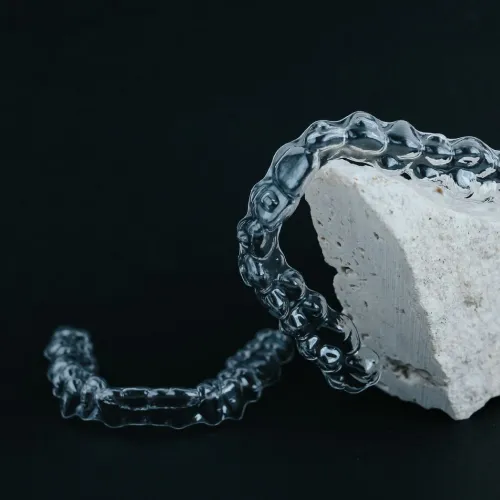
Invisalign Attachments, SmartTrack Material, and Why 22 Hours Is Non-Negotiable
Learn how Invisalign attachments, SmartTrack material, and the 22-hour wear rule create your best smile. Schedule your Invisalign consultation today!
Read More


Emergency Dentistry
Gum disease affects nearly half of all American adults, yet most people don't recognize it until significant damage has already occurred. The gap between reversible gingivitis and irreversible periodontitis is smaller than you think — and some of the most important warning signs are ones you've never heard about.
Every article you'll find online lists bleeding gums as the defining early warning sign of gum disease. That's clinically accurate — for most people. But in my practice, I consistently see one group of patients who are blindsided by advanced periodontitis precisely because they never experienced that bleeding: smokers and vapers. For Woodland Hills-area patients, understanding these nuances is vital for early detection.
Nicotine is a vasoconstrictor. It tightens the blood vessels in your gum tissue, which suppresses the inflammation response and masks the bleeding that would otherwise alert you to a problem. Your gums can be silently losing attachment and bone while appearing relatively firm and pale. According to the Mayo Clinic, smoking is one of the most significant risk factors for periodontitis — yet it simultaneously hides the symptoms that would prompt someone to seek care.
If you smoke or vape, you cannot rely on bleeding as your early warning metric. Instead, watch for these signs that nicotine cannot suppress:
These are the signals I ask my smoking patients to track between visits. The absence of bleeding means nothing if these other signs are present.
Most clinical descriptions of the gingivitis-to-periodontitis transition use terms like "pocket depth" and "attachment loss" — measurements only a clinician can take. What I want patients to understand is the felt experience of that transition, because it gives you a real-world signal to act on.
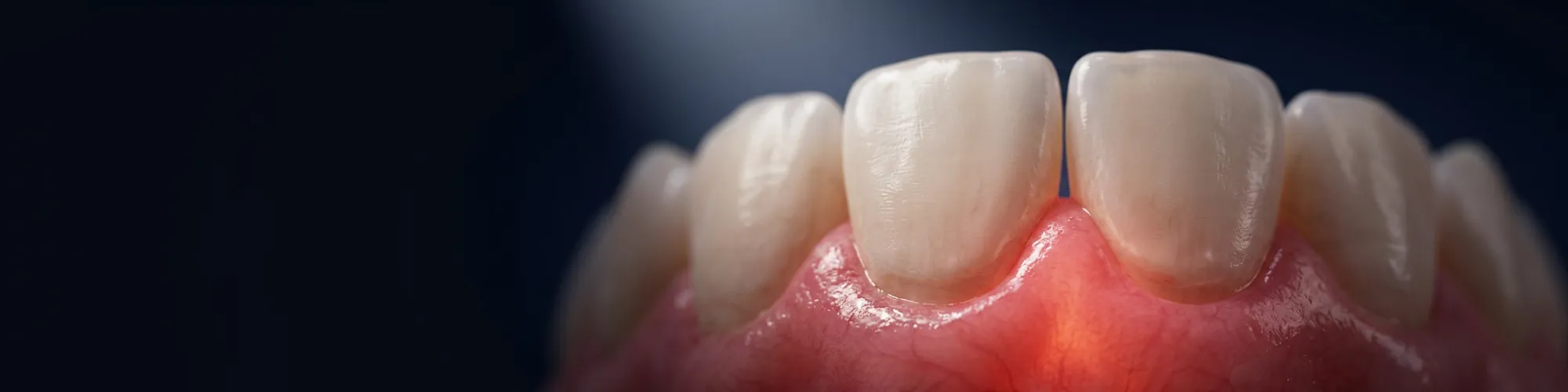
Gingivitis, when you feel it at all, presents as surface tenderness. Your gums feel puffy, a little sore — a fleshy discomfort that sits right at the gumline. That's inflammation confined to the soft tissue, which is why Cleveland Clinic notes it remains reversible at this stage.
When infection moves into the periodontal ligament and bone — the transition to periodontitis — the sensation changes character. Patients often describe a vague, deep itch inside the jaw that they can't quite locate. Biting down may produce a "spongy" feeling rather than the solid, confident contact of a healthy bite. This happens because the periodontal ligament, which acts as a shock absorber between tooth and bone, is being compromised.
You can do a simple check at home. Close your teeth together gently and feel for any vibration, wobble, or micro-movement in a specific tooth. Clinically, we call this "fremitus." It's not definitive self-diagnosis, but if you feel movement where there was none before, that's a reason to call my office immediately. The American Academy of Periodontology identifies loose or separating teeth as a hallmark sign that disease has progressed well beyond gingivitis. In some cases, advanced disease can ultimately lead to the need for tooth extraction if the tooth can no longer be saved.
Understanding the four stages of gum disease comes down to one critical distinction: which side of reversibility you're on.
Gingivitis is Stage 1. Plaque accumulates along the gumline, bacteria irritate the tissue, and your gums respond with redness, swelling, and bleeding. Crucially, the underlying bone and ligament are untouched. This stage is completely reversible with a professional dental cleaning and improved home care.
Mild to Moderate Periodontitis (Stages 2 and 3) begins when that bacterial infection migrates below the gumline. The body's immune response — meant to protect you — inadvertently breaks down the connective tissue and bone that anchor your teeth. Pockets deepen. Bone resorbs. This destruction is irreversible. You can stop it, but you cannot undo it.
Advanced Periodontitis (Stage 4) means significant bone loss, mobile teeth, bite changes, and high risk of tooth loss. Research published in PMC confirms that delayed presentation at this stage requires complex, costly, and less predictable treatment outcomes. Patients who do lose teeth to advanced disease may later explore options such as dental implants or dentures to restore function.
From a Complete Health Dentistry perspective, I also want my patients to understand what happens beyond the mouth. The bacteria driving periodontitis — particularly Porphyromonas gingivalis — can enter the bloodstream through ulcerated pocket tissue. The NIDCR and the ADA both acknowledge established research linking periodontitis to cardiovascular disease, diabetes complications, and other systemic conditions. This is why I don't treat gum disease as an isolated oral problem — it's a whole-body inflammation issue.
This is something most patients genuinely don't know: the specific anaerobic bacteria that drive the transition from gingivitis to periodontitis are transmissible through saliva. P. gingivalis and related pathogens can be shared through kissing, shared utensils, or even sharing a water bottle.
This matters clinically. If you've been treated for periodontitis but your partner hasn't been screened, you risk reintroduction of the same bacterial strains — even if your own hygiene is now excellent. I've seen this pattern play out repeatedly in practice.
If someone in your household is diagnosed with periodontitis, consider this a family health event:
The good news is that with professional treatment and consistent home care — brushing twice daily, flossing, and keeping up with maintenance visits — disease progression can be stopped at any stage. The earlier we catch it, the more options we have.
If any of the warning signs in this article sound familiar, don't wait for a tooth to loosen before taking action. At Complete Health Dentistry in Woodland Hills, we perform thorough periodontal screenings as part of every comprehensive exam. As your emergency dentist and preventive care partner, serving patients throughout the West San Fernando Valley, including Calabasas, our goal is to catch gum disease at the stage where it's still reversible — and to understand what it means for your overall health, not just your smile.